
SfNC Awards
SfNC is proud to offer three annual awards for its eligible members to recognize outstanding work in our discipline: the Young Investigator Award, the Dissertation Award, and the Sarah A. Burgess Award. Winners of these annual awards each receive a cash prize and are invited to present their work at our annual meeting.
These awards - and the individuals they support - are funded by the SfNC Awards Fund.
We welcome charitable donations to this fund.
SfNC Young Investigator Award
This award is given annually to an outstanding creativity scholar who is no more than ten years removed from receiving their PhD degree or from their entry into the field of creativity.
SfNC Dissertation Award
This award is given annually to recognize an outstanding dissertation(s) in creativity research, broadly defined.
Sarah A. Burgess Award
Sarah A. Burgess (1982-2021) was a young researcher with a passion for creativity and cognition. Sarah was the definition of perseverance as she always survived her worst days to make the most of her best days. She aspired to be a professor and teach the next generation of psychologists in Creative and Cognitive Psychology. In her memory, this award is given annually to a student recipient or recipients who are interested in creativity research and who have overcome obstacles and/or demonstrated resilience.
Past Award Winners:
SfNC Young Investigator Award
2025 — Karen Barrett | Christian Rominger
2024 — Denis Dumas
2023 — Qunlin Chen
SfNC Dissertation Award
2025 — Hannah Merseal | Théophile Bieth
2024 — Tanushree Agrawal | Rachit Dubey
2023 — Marcela Paola Ovando Tellez
Sarah A. Burgess Award
2025 — Amy Smith
2024 — Lucas Bellaiche
2023 — Hannah Merseal
Congratulations to our 2026 SfNC Award Winners!
SfNC Young Investigator Award
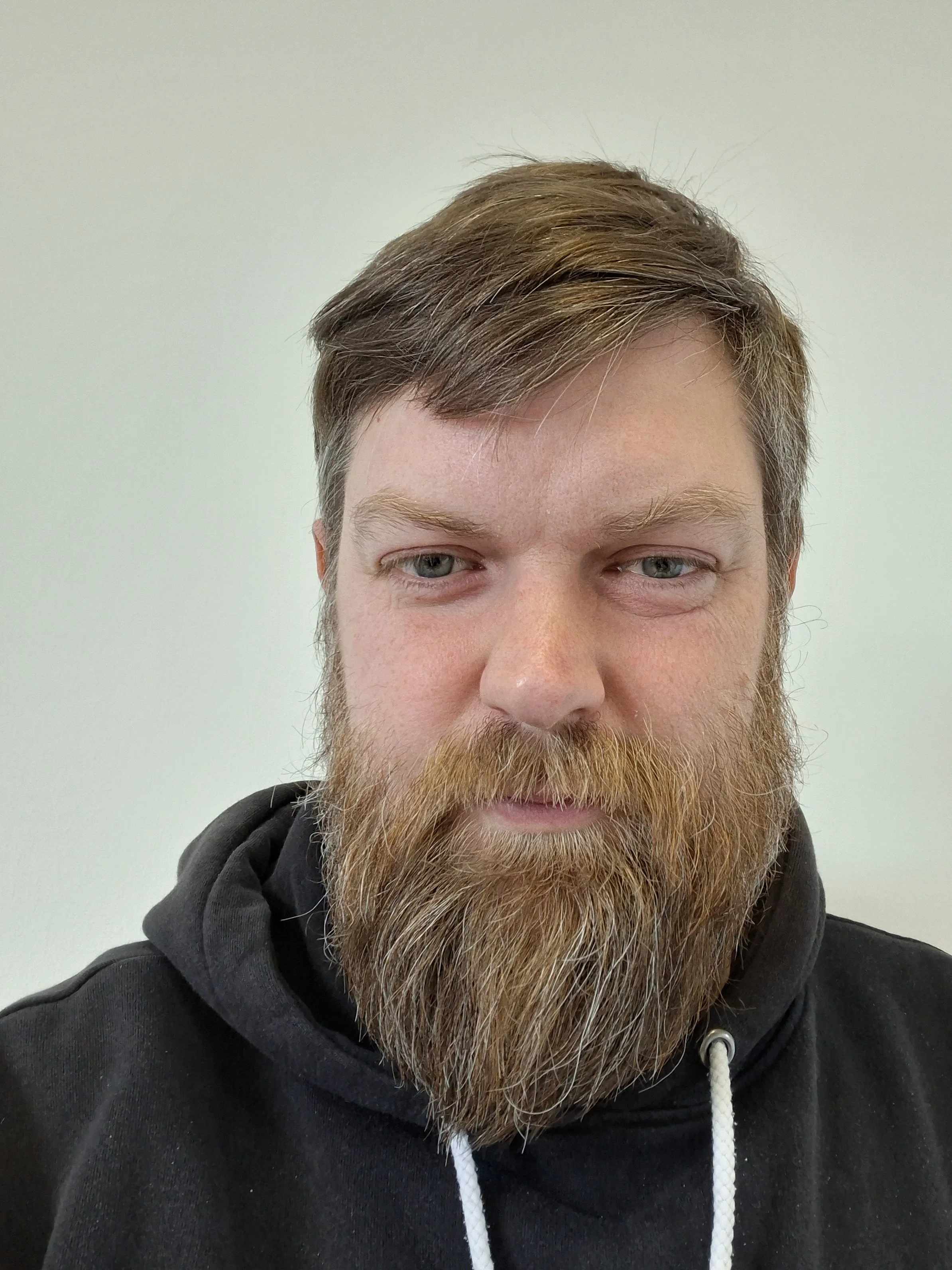
Boris Forthmann
University of Münster, Germany
Dr. Boris Forthmann is a psychologist and postdoctoral researcher at the University of Münster in Germany. He studied Psychology at Münster and completed his doctorate there on the assessment of creative thinking. In his current role, he teaches methods and statistics and conducts research at the interface of psychological measurement and creativity research.
Boris' research focuses on creativity assessment—especially creative thinking—and extends to scientometrics, where he examines scientific productivity and related indicators using quantitative, measurement-oriented approaches. Across this work, he is interested in formative assessment and in improving how complex constructs are operationalized, scored, and interpreted. He serves as Co-Editor in Chief for Thinking Skills and Creativity and Associate Editor for the Creativity Research Journal.
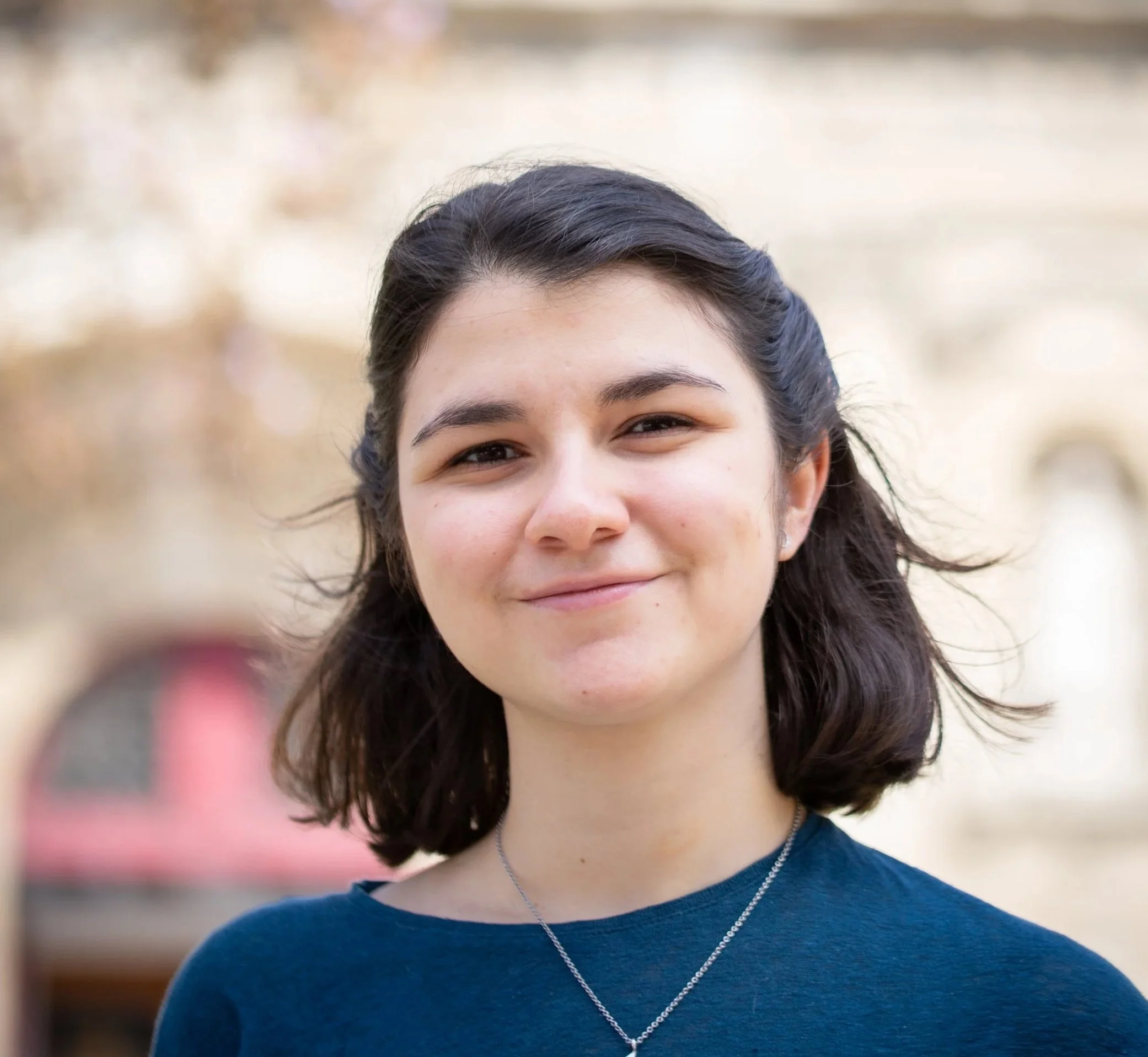
Boris Forthmann
University of Münster, Germany
Dr. Boris Forthmann is a psychologist and postdoctoral researcher at the University of Münster in Germany. He studied Psychology at Münster and completed his doctorate there on the assessment of creative thinking. In his current role, he teaches methods and statistics and conducts research at the interface of psychological measurement and creativity research.
Boris' research focuses on creativity assessment—especially creative thinking—and extends to scientometrics, where he examines scientific productivity and related indicators using quantitative, measurement-oriented approaches. Across this work, he is interested in formative assessment and in improving how complex constructs are operationalized, scored, and interpreted. He serves as Co-Editor in Chief for Thinking Skills and Creativity and Associate Editor for the Creativity Research Journal.
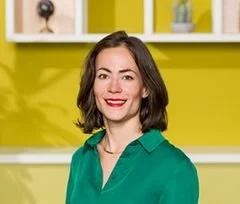
Ioanna Zioga
National and Kapodistrian University of Athens, Greece
Dr. Ioanna Zioga is a postdoctoral researcher supported by a Bodossaki Foundation Postdoctoral Scholarship. She received her PhD from Queen Mary University of London (QMUL), where she investigated the link between learning and creativity using behavioral, EEG, and computational methods. Following her doctoral work, she continued her research at QMUL on two-person brain synchronization and subsequently led a four-year postdoctoral project at the Donders Centre for Cognitive Neuroimaging in the Netherlands, where she used MEG to study brain oscillatory dynamics during language comprehension and production. As she transitions to an independent research leader, Dr. Zioga is establishing a new research hub in Greece focused on the neurocognitive mechanisms of musical creativity and performer-listener interaction. This work will be further advanced through her upcoming Marie Skłodowska-Curie Postdoctoral Fellowship.
Dr. Zioga’s research examines the neurocognitive mechanisms of creative thinking, focusing on how the brain generates novel ideas beyond well-established associations. She combines electrophysiological methods (EEG/MEG) with computational approaches, showing that alpha and beta brain oscillations support key domain-general processes, such as inhibitory control and the reactivation of representations, respectively. A central focus of her work is creative intention, namely how explicit instructions to “be creative” influence performance. Her findings show that such goal-directed states alter patterns of brain activity and interhemispheric communication, facilitating access to more remote and less typical ideas. Beyond controlled laboratory tasks, Dr. Zioga studies creativity in more naturalistic settings, including language production and musical improvisation. Her research in music has identified a “sweet spot” for creativity, where intermediate levels of grammatical structure lead to the most creative output. She has also shown that sensitivity to statistical regularities during learning predicts later creative performance. Her ongoing work explores how creative intention shapes the alignment between performer and listener in live music settings, highlighting creativity as a mechanism for transforming musical information into a shared emotional experience.
Sarah A. Burgess Award
SfNC Dissertation Award
Boris Forthmann
University of Münster, Germany
Dr. Boris Forthmann is a psychologist and postdoctoral researcher at the University of Münster in Germany. He studied Psychology at Münster and completed his doctorate there on the assessment of creative thinking. In his current role, he teaches methods and statistics and conducts research at the interface of psychological measurement and creativity research.
Boris' research focuses on creativity assessment—especially creative thinking—and extends to scientometrics, where he examines scientific productivity and related indicators using quantitative, measurement-oriented approaches. Across this work, he is interested in formative assessment and in improving how complex constructs are operationalized, scored, and interpreted. He serves as Co-Editor in Chief for Thinking Skills and Creativity and Associate Editor for the Creativity Research Journal.